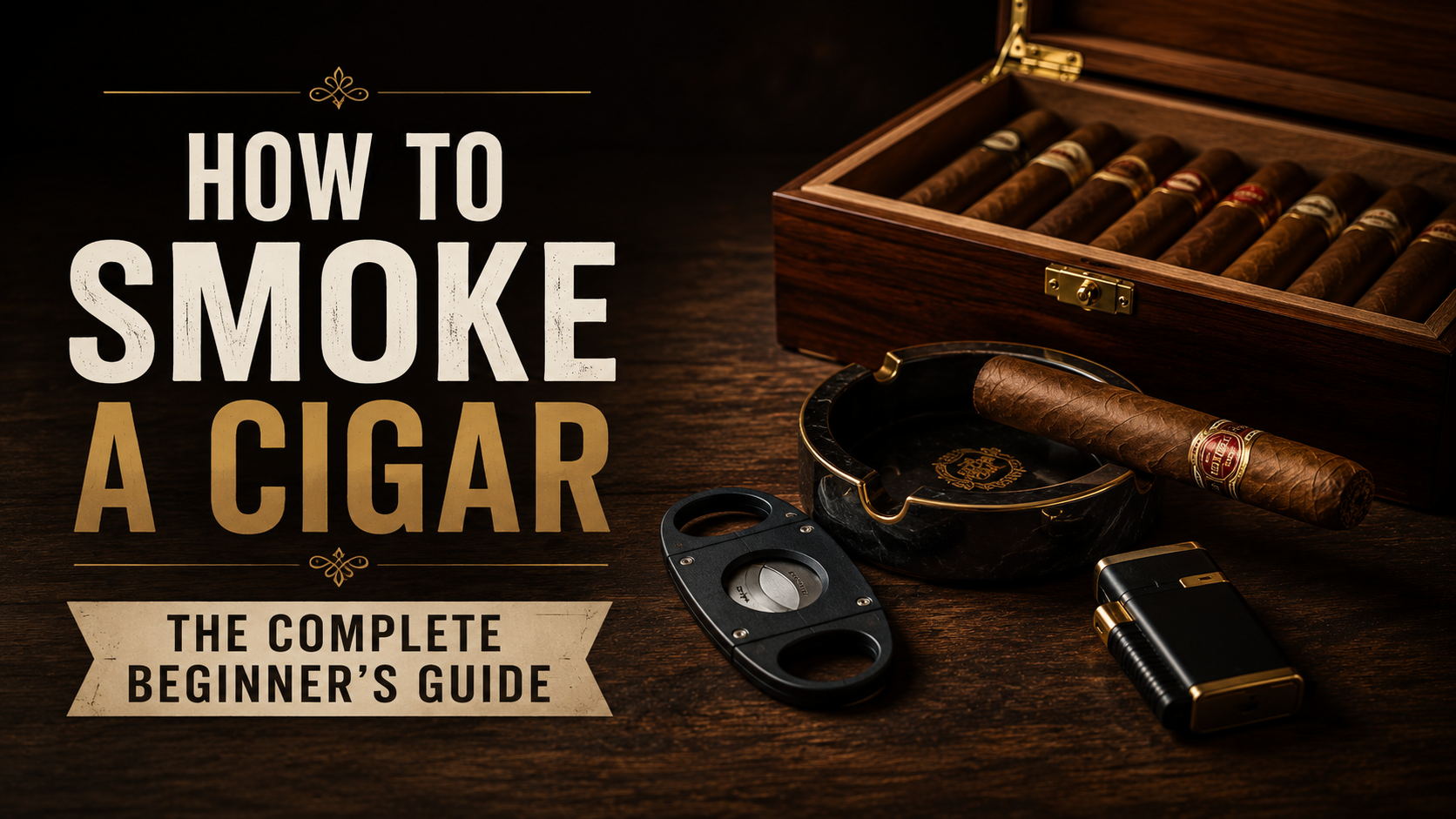
So you’re about to light up your first cigar and you have no idea what you’re doing. That’s fine. Everyone starts there. This guide walks you through picking a cigar, cutting it, lighting it, and smoking it the right way, so your first experience is a good one instead of a rough one.
Picking Your First Cigar
Your first cigar should be mild to medium in strength. A strong, full bodied cigar can hit a new smoker hard and turn you off the hobby before you even get started.
A few things to look at when you’re choosing:
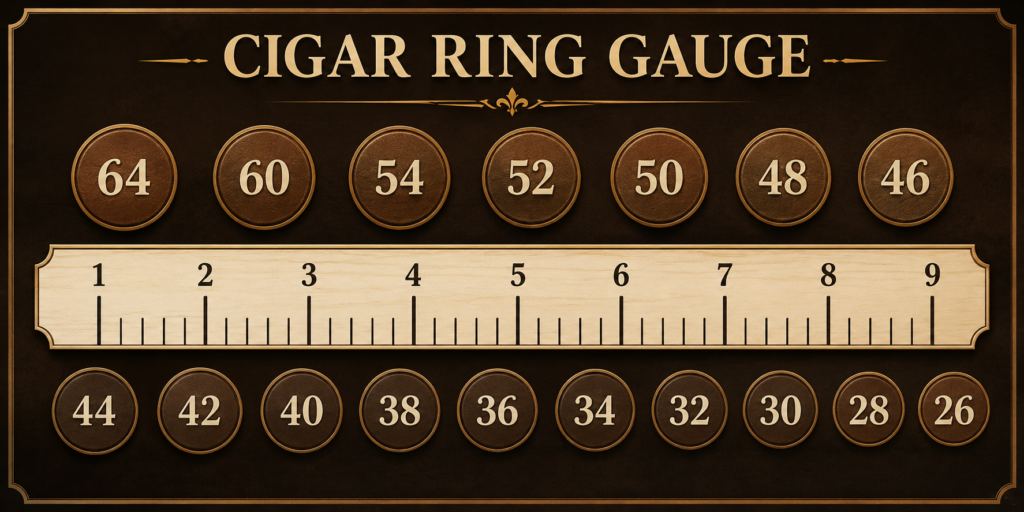
Size. Bigger isn’t better for a first timer. A Robusto or Toro (roughly 5 to 6 inches, with a ring gauge around 48 to 52) burns for 45 minutes to an hour, which is plenty of time to learn without wearing you out.
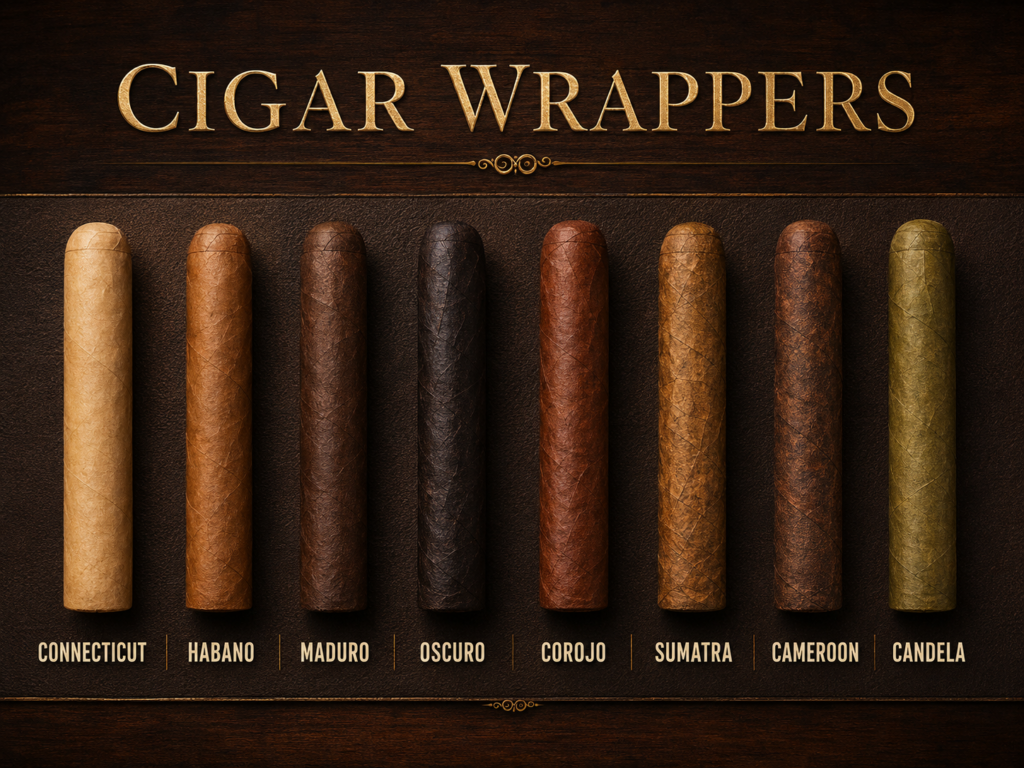
Wrapper. Lighter wrappers like Connecticut Shade tend to taste creamier and milder. Darker wrappers like Maduro usually bring more sweetness and body. Neither is “better,” they just smoke differently.
Strength. Look at the box or the shop description. Words like “mild” or “medium bodied” are your friend right now. Save the full bodied Nicaraguan sticks for later. Want a curated starting list? We rounded up our top picks for beginners here.
Cutting Your Cigar: Punch, Straight, or V-Cut
Before you light anything, you need to cut the cap off the closed end of the cigar. This opens up the draw so air (and smoke) can actually move through it.
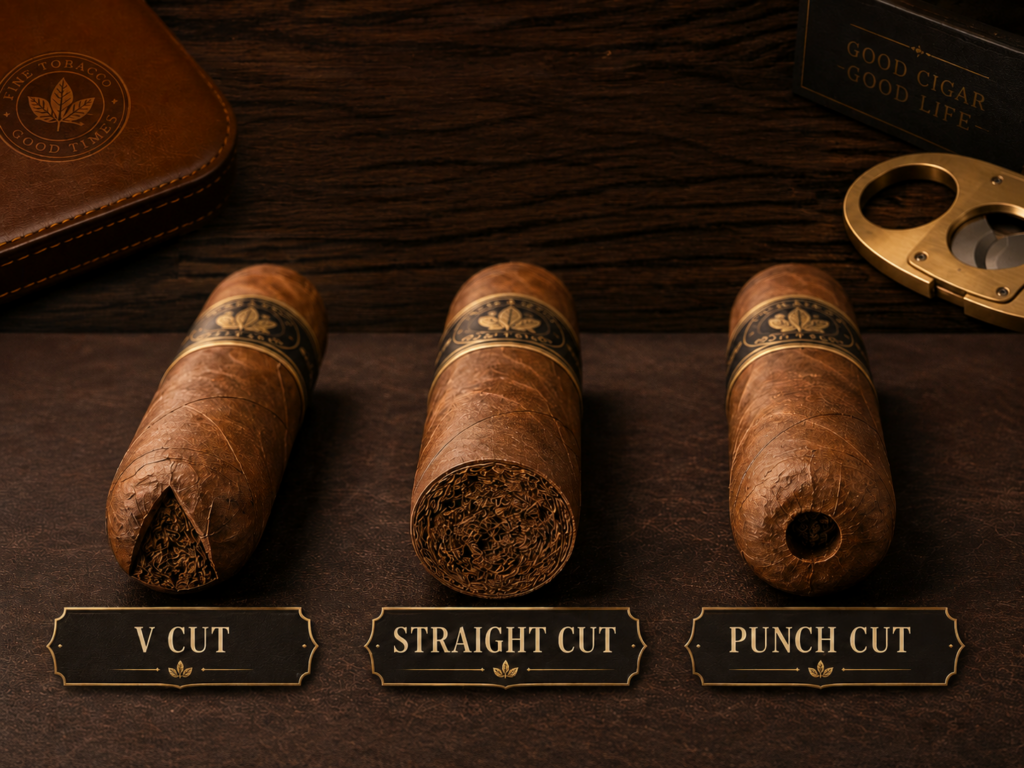
Straight (Guillotine) Cut
This is the most common cut and the easiest to get right. You’re slicing straight across the cap in one clean motion, taking off just the tip. Aim to leave most of the cap intact so the wrapper doesn’t unravel.
Punch Cut
A punch cutter removes a small circle from the center of the cap instead of slicing the whole top off. It’s harder to mess up and it’s a good option if you’re nervous about cutting too much.
V-Cut
This carves a small wedge into the cap, which can concentrate the smoke and change how the flavor hits your palate. It’s a nice option once you’ve smoked a few cigars and want to experiment.
We go into a lot more depth, including no cutter methods for when you’re caught without one, in our full guide to cutting a cigar.
Toasting the Foot and Lighting Properly
This is the step most beginners rush, and rushing it is what leads to an uneven burn later on.
- Hold the cigar at a slight angle, just above the flame, without letting the flame touch the tobacco directly.
- Rotate the cigar slowly so the entire foot (the end you light) gets an even, light char. This is called toasting.
- Once the foot is toasting evenly, bring the cigar to your mouth and puff gently while rotating it near the flame until it’s fully lit.
- Check the burn. It should be even all the way around. If one side is burning faster, you can touch it up now before it gets worse.
A torch lighter works better than a regular lighter or matches because it burns hotter and more evenly, and it’s less likely to add a fuel taste to the tobacco. Here’s what we recommend for a first torch lighter.
Draw, Pace, and Ash Management
Draw is the resistance you feel when you puff. A good cigar should pull smoothly, not like you’re sucking through a straw and not so loose that it burns hot. If your cigar is drawing too tight, a few gentle puffs usually clears it up.
Pace matters more than people expect. Puff about once a minute, maybe once every 45 seconds. Smoking too fast makes the cigar burn hot, which brings out a bitter, harsh taste. Slow down and let it rest between puffs.
Ash doesn’t need constant attention. Let it build up on its own. It actually helps insulate the burning tobacco and keeps the temperature steady. Most cigars can hold an inch or more of ash before it’s ready to fall. Tap it gently into an ashtray when it looks ready, no need to flick it every few minutes.
When to Put It Down
You don’t have to smoke a cigar all the way to the nub. In fact, most experienced smokers don’t. As you get within the last third or so, the flavor tends to get harsher and hotter since you’re smoking closer to where the wrapper meets your hand. When it stops tasting good to you, that’s your signal. Set it down. There’s no rule that says you have to finish it.
Common Beginner Mistakes
Inhaling. Cigars aren’t meant to be inhaled like a cigarette. You draw the smoke into your mouth, taste it, and let it out. Inhaling can make you feel sick fast, especially on a stronger cigar.
Smoking too fast. Covered above, but it’s worth repeating because it’s the number one thing that ruins a first cigar experience.
Relighting the wrong way. If your cigar goes out, that’s normal, especially early on. Tap off any loose ash first, then relight the foot the same way you did originally, with slow rotation over the flame. Don’t just jam the whole end into the fire.
Choosing something too strong. If your first cigar leaves you dizzy or queasy, it probably wasn’t the mild pick it should have been. Nicotine on an empty stomach makes this worse too, so eat something beforehand.
Do’s and Don’ts of Smoking a Cigar
Do hold the cigar between your fingers, not clenched between your teeth. You’ll get a better sense of how hot it’s burning and how the draw feels.
Do puff slowly, about once every 30 to 60 seconds. This is the single biggest thing that separates a smooth smoke from a harsh one. At the end of the day though, do whats best for you.
Do rotate the cigar while you’re toasting and lighting it so the foot burns evenly all the way around.
Do let the ash build up on its own, generally to about an inch, before tapping it off gently. It helps keep the burning tobacco insulated and the temperature steady.
Do eat something before you smoke. Nicotine on an empty stomach is a common reason beginners feel queasy or lightheaded.
Do let a half smoked cigar go out naturally if you need to step away, rather than stubbing it out like a cigarette. You can relight it later the same way you lit it the first time.
Don’t inhale. Cigar smoke is meant to be tasted in your mouth, not pulled into your lungs.
Don’t touch the flame directly to the tobacco. Hold it close and rotate instead of letting the tobacco sit in the fire, which scorches it unevenly.
Don’t puff quickly just to keep the cigar lit. A cigar that’s been left alone for a minute or two isn’t going out for good, and rushing it just makes the smoke hot and bitter.
Don’t smoke all the way down to the nub. The flavor turns harsh in the last inch or so for most cigars, so there’s nothing wrong with setting it down early.
Don’t whack the cigar against the ashtray to knock the ash off. A firm hit can crack the wrapper. A gentle tap is all it takes.
Frequently Asked Questions
How do you smoke a cigar properly? Cut the cap, toast the foot evenly, light it with slow rotation, then puff slowly (about once a minute) without inhaling. Let the ash build up naturally and stop smoking once the flavor turns harsh near the end.
How old do you have to be to smoke a cigar? In the United States, the federal minimum age to legally buy any tobacco product, including cigars, is 21. This has been federal law since December 2019. Some states and cities may have their own rules on top of that, so it’s worth checking local laws too.
How long does it take to smoke a cigar? It depends on the size, but a Robusto or Toro usually takes 45 minutes to an hour. Smaller cigars can be done in 20 to 30 minutes, while bigger Churchills or Gordos can run well over an hour.
How far down should you smoke a cigar? Most people stop with the last inch or two unsmoked. Once you get close to the band, the flavor usually turns hot and bitter, so there’s no need to push through to the very end.
Should you inhale a cigar? No. Cigar smoke is meant to be tasted in your mouth, not pulled into your lungs. Inhaling can cause lightheadedness or nausea, especially for new smokers.
When should you stop smoking a cigar? Whenever it stops tasting good to you. For most cigars, that happens somewhere in the final third. Trust your palate over any strict rule about how much you “should” finish.
Ready to Log Your First Cigar?
Your first cigar won’t be perfect, and that’s okay. Every experienced smoker started exactly where you are now. The best way to actually improve is to pay attention each time: what you liked, what you’d change, and what to try next.
Log your first cigar in your Virtual Humidor and see what other beginners are smoking. Create your free Stogie Spot account and start building your smoking history from day one.
-
Draw
-
Flavor
-
Construction